


Two Tunnel 3D Unblocked


Candy Jump

CirCloO 2
CirCloO Unblocked
Color Road Unblocked
Color Tunnel 2
Color Tunnel Unblocked

Car Drift Racers 2
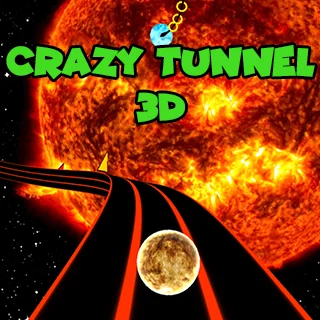
Crazy Tunnel 3D Unblocked
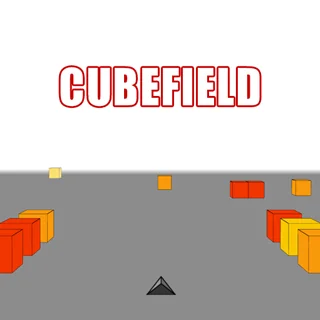
Cubefield

Doodle Jump

Eagle Ride
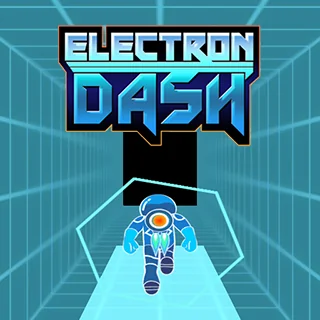
Electron Dash
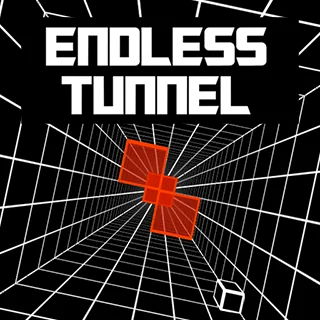
Endless Tunnel Unblocked
OvO

Red Ball 4
Rolling Ball 3D

Rolly Vortex
Run 2
Run 3

Running Fred

Skiing Fred

Slope 3

Slope Ball
Slope City
Slope Racing 3D

Slope Run
Slope Tunnel

Slope

Snow Rider 3D

SWSF Bali
SWSF Havana
SWSF HongKong
SWSF Mumbai
SWSF New Orleans
SWSF NYC
SWSF Singapore
SWSF Tokyo
SWSF Venice
SWSF Winter Holiday
Super Falling Fred
Super Slope Game
Tunnel Rush
Tunnel Rush 2
Two Ball 3D Dark
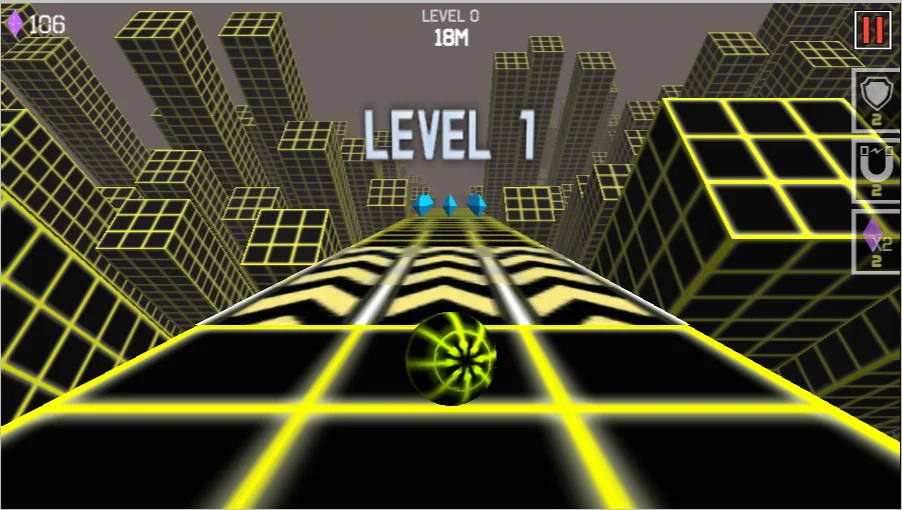
Two Ball 3D
Two Tunnel 3D
Vex 3
Vex 4
Vex 5
Vex 6
Vex 7
Two Tunnel 3D Unblocked | Running Games | Skill Games
About Two Tunnel 3D Unblocked | Running Games | Skill Games
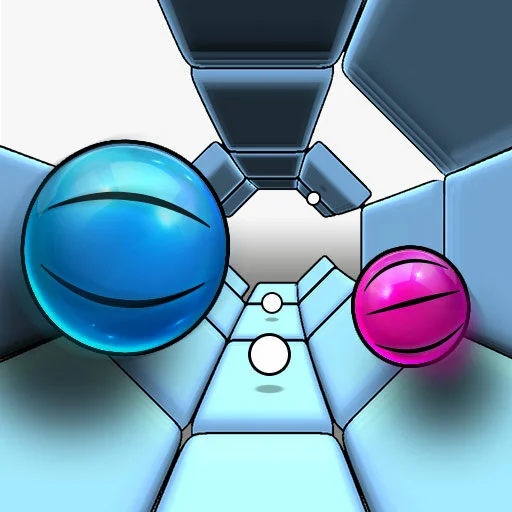
We invite you to experience Two Tunnel 3D, an exhilarating and endlessly engaging running game that tests your reflexes and precision. This captivating title offers a unique blend of skill-based gameplay and vibrant visual design, making it an ideal choice for players seeking a thrilling challenge. Dive into a world of mesmerizing tunnels where your primary objective is to guide a continuously moving ball, skillfully navigating through an ever-changing environment. The core of the experience lies in maintaining the ball's momentum and position within the confines of the tunnel, a task that becomes progressively more demanding as the game unfolds.
The design of Two Tunnel 3D centers around a deceptively simple yet profoundly addictive mechanic. Players are tasked with ensuring the ball does not fall into the numerous gaps that strategically appear within the tunnel. This requires split-second decision-making and precise control. As the game progresses, the velocity of the ball increases, amplifying the urgency and intensifying the challenge. Each segment of the tunnel presents a fresh visual palette, with the colors shifting at every stage, adding a dynamic and visually stimulating layer to the experience. This constant alteration keeps players alert and engaged, preventing monotony and ensuring that each playthrough feels distinct.
Mastering Two Tunnel 3D is a journey of developing intuition and honing motor skills. The controls are designed for accessibility, allowing anyone to pick up and play, yet deep enough to offer a significant challenge for seasoned gamers. The core gameplay loop is built around the simple yet effective command: move the ball to the correct position by tapping or pressing left or right. A single misstep, a moment of lost concentration, or an incorrect maneuver will result in the ball missing a platform, inevitably leading to a failure. This unforgiving yet fair nature of the game is what drives players to improve, retry, and ultimately conquer the escalating difficulties.
We have implemented intuitive control schemes that align with traditional gaming input methods. Whether you prefer using the 'A' and 'D' keys, the left and right arrow keys on your keyboard, or touch controls on a compatible device, the responsiveness is paramount. This ensures that your intentions are directly translated into the ball's movement, minimizing frustration and maximizing your ability to react to the dynamic challenges presented.
Core Gameplay Mechanics and Control Schemes
The essence of Two Tunnel 3D revolves around fluid movement and avoidance. The game is structured around an infinite tunnel, meaning the challenge is designed to persist as long as the player can maintain control. The ball is in perpetual motion, necessitating constant player input. The primary directive is to steer the ball away from the empty spaces or gaps that punctuate the tunnel's path. These gaps are not static; their size, placement, and frequency can vary, adding an element of unpredictability. Successfully guiding the ball requires an understanding of its trajectory and the ability to adjust its path with swift, accurate inputs.
The controls are intentionally straightforward to ensure immediate engagement. For players utilizing a keyboard, the 'A' and 'D' keys, alongside the left and right arrow keys, serve as the primary means of directional control. These keys allow the player to shift the ball horizontally within the tunnel. The responsiveness of these controls is critical; a slight delay or imprecision can mean the difference between a successful maneuver and a game-ending mistake. On touch-enabled devices, players will find similar left and right directional inputs, designed for intuitive finger taps or swipes. The objective remains consistent across all control methods: keep the ball within the illuminated pathways and avoid the abyssal voids.
The accelerating pace of the ball introduces a significant layer of difficulty. As players successfully navigate segments of the tunnel, the game rewards them with an increase in speed. This escalating tempo means that reaction times must become quicker, and predictive movements become more important. What might be an easily avoidable gap at slower speeds can become a treacherous obstacle when the ball is moving at a rapid pace. This dynamic difficulty scaling ensures that the game remains challenging and engaging for extended periods, pushing players to their limits.
Visual Aesthetics and Dynamic Environment
One of the standout features of Two Tunnel 3D is its striking visual presentation. The game utilizes a **beautiful 3D effects** rendering engine to create a visually immersive experience. The tunnel itself is a masterpiece of minimalist design, characterized by clean lines and vibrant, often contrasting, color schemes. At regular intervals, the color of the tunnel transitions. These shifts are not merely cosmetic; they serve as visual cues for players, signaling changes in the environment and often preceding new patterns of gaps or obstacles. This dynamic color change enhances the game's aesthetic appeal while subtly contributing to the gameplay by providing visual anchors.
The 3D perspective places the player directly behind the ball, offering a clear view of the path ahead. This perspective is crucial for judging distances and anticipating upcoming turns and obstacles. The lighting and shadow effects within the tunnel add depth and realism, making the environment feel tangible. The interplay of light and shadow can sometimes obscure the finer details of the tunnel's structure, requiring players to rely more heavily on their auditory cues and ingrained spatial awareness. The overall visual design is intended to be both stimulating and functional, drawing players into the world of the game without overwhelming them with unnecessary visual clutter.
Engaging Audio Experience and Soundtracks
Complementing the visual splendor of Two Tunnel 3D is its **cheerful soundtracks** and well-integrated sound design. The game features a collection of upbeat and energetic music tracks that dynamically adjust to the gameplay. These soundtracks are designed to enhance the player's immersion and maintain a sense of urgency and excitement. The music is carefully chosen to be engaging without being distracting, providing a rhythmic backdrop that can aid in timing movements and maintaining focus. When the ball hits a platform, a satisfying sound effect is played, reinforcing successful navigation. Conversely, a distinct sound cue signals the moment the ball misses a platform, providing immediate auditory feedback for failure.
The audio design also includes subtle environmental sounds that contribute to the overall atmosphere. These can include ambient echoes within the tunnel or subtle pulsing sounds that sync with the game's rhythm. The combination of lively music and precise sound effects creates a holistic sensory experience that is both enjoyable and functional. The audio cues serve as an additional layer of information for the player, allowing them to react to changes and challenges even when their visual focus is momentarily diverted. This integrated audio-visual approach is a key component of the game's addictive nature.
Game Modes and Player Interaction
Two Tunnel 3D is designed to offer flexibility in how players engage with the game. It features **simple but compelling gameplay modes**, catering to both solo players and those who enjoy competitive or cooperative experiences. The primary mode is the **single player** experience, where players strive to achieve the highest possible score by surviving for as long as possible and navigating the increasingly difficult tunnels. This mode is perfect for players looking to hone their skills, beat their personal bests, and climb the leaderboards.
Beyond the single-player challenge, Two Tunnel 3D also includes a **two player** mode. This allows friends to compete directly, either by taking turns to see who can achieve a higher score, or potentially through a split-screen or synchronized gameplay experience where both players navigate the same or parallel tunnels simultaneously. The inclusion of a two-player option significantly enhances the game's replayability and social appeal, transforming it from a solitary test of skill into a shared experience of challenge and friendly rivalry. This mode is particularly effective for demonstrating the game's versatility and its ability to foster interaction.
The Allure of High Scores and Leaderboards
A fundamental aspect of Two Tunnel 3D is its emphasis on achievement and progression, prominently displayed through its **leading scoreboard** system. For players who thrive on competition and recognition, the integrated leaderboard offers a clear benchmark of their skill against a global community of players. Achieving a high score is not merely about personal satisfaction; it's about etching your name into the annals of the game's top performers. This competitive element injects a powerful motivational force, encouraging players to repeatedly engage with the game, refine their strategies, and push for new personal bests.
The leaderboard functions as a dynamic ranking system, constantly updated as players worldwide achieve new milestones. This creates a sense of an ongoing, evolving competition. Players can track their progress, see how they stack up against friends, and aspire to reach the pinnacle of the rankings. The psychological impact of seeing one's name ascend the leaderboard is a powerful driver for continued play. It transforms the simple act of playing a game into a quest for mastery and recognition. Whether aiming for the top spot or simply striving to improve one's own standing, the leaderboard adds a crucial layer of depth and long-term engagement to the running game experience.
Tips and Strategies for Mastering Two Tunnel 3D
To excel in Two Tunnel 3D, players will discover that a combination of consistent practice and strategic thinking is key. The game's inherent challenge lies in its escalating difficulty, which demands constant adaptation. Initially, focus on mastering the fundamental controls. Ensure that your directional inputs are precise and immediate. Many early failures stem from overcorrecting or underreacting to the ball's movement. Practice moving the ball short distances and then longer ones, building an intuitive feel for its inertia and responsiveness.
Pay close attention to the visual cues provided by the changing tunnel colors. While these changes are primarily aesthetic, they often serve as subtle indicators of impending shifts in tunnel layout or gap patterns. Developing an ability to anticipate what comes next based on these visual transitions can provide a critical advantage. Furthermore, utilize auditory cues. The game's sound design is not just for ambiance; it provides vital feedback. Listen for the subtle hum of the ball, the click of landing on a platform, and the distinct sound of missing one. These sounds can help you maintain rhythm and react even when the visual field is cluttered or your focus is momentarily disrupted.
As the ball's speed increases, so must your strategic approach. Begin to think ahead. Instead of reacting to each gap individually, try to visualize the next several meters of the tunnel. This predictive gameplay is crucial for navigating complex sequences of obstacles. Small, controlled adjustments are often more effective than sudden, drastic movements. Learn to 'feather' your controls, making minute adjustments to keep the ball centered and stable, especially when the speed is high. Embracing a **skill games** mentality means understanding that mastery comes from repetition and a deep understanding of the game's mechanics, not just from luck.
Don't be discouraged by failures. Each unsuccessful attempt in Two Tunnel 3D is a learning opportunity. Analyze what went wrong. Was it an unexpected gap? Did you misjudge a turn? Was the speed simply too high for your current reaction time? Use these insights to adjust your strategy for the next run. The game’s addictive quality is partly due to this cycle of trial, error, and improvement. Celebrate small victories, such as successfully navigating a particularly difficult section or achieving a new personal best segment, as these build momentum and confidence.
The Enduring Appeal of Infinite Runner Games
Two Tunnel 3D fits squarely within the popular genre of **infinite runner games**, a category that has captivated players across various platforms for years. The core appeal of these games lies in their elegant simplicity coupled with their potential for near-limitless challenge. Unlike games with defined levels and endpoints, infinite runners offer a continuous experience that is entirely dictated by the player's skill and endurance. This creates a unique psychological dynamic where the primary adversary is not an in-game opponent, but rather the player's own limitations.
The design of infinite runners, including titles like Two Tunnel 3D, often emphasizes procedural generation or complex algorithmic systems to ensure that no two playthroughs are exactly alike. This inherent variability guarantees replayability, as players are constantly faced with novel challenges that prevent the game from becoming predictable. The visual and auditory elements play a crucial role in maintaining engagement within this repetitive structure. Striking aesthetics and compelling soundtracks transform the act of continuous avoidance into an immersive and enjoyable experience.
Furthermore, the accessibility of infinite runner games makes them incredibly popular. Many can be played with simple, one-button or directional controls, allowing players to easily pick them up and play during short breaks or commutes. However, achieving high scores or mastering the game demands significant skill and dedication. This blend of casual accessibility and deep, skill-based mastery is a powerful formula for sustained player interest. The inherent nature of these games also lends itself perfectly to social competition, with leaderboards and high-score sharing fostering a strong sense of community and rivalry among players.
Why Two Tunnel 3D Stands Out
In a crowded digital landscape, Two Tunnel 3D distinguishes itself through a thoughtful combination of polished execution and engaging design principles. While many running games offer similar core mechanics, the attention to detail in Two Tunnel 3D elevates the experience. The **beautiful 3D effects** are not just for show; they contribute to a clear and readable game world, allowing players to quickly assess threats and opportunities. The dynamic color shifts, while visually appealing, also serve as subtle environmental cues that can aid in navigation and anticipation.
The **cheerful soundtracks** are another critical element that sets this game apart. Rather than generic background music, the audio composition in Two Tunnel 3D feels intrinsically linked to the gameplay. The rhythms and melodies can subtly influence player timing and create a sense of flow, enhancing the feeling of being "in the zone." The precise sound effects for successful actions and failures provide immediate, satisfying feedback, reinforcing good play and clearly indicating mistakes without ambiguity. This level of audio-visual integration creates a more cohesive and immersive experience.
Moreover, the inclusion of both **single player** and **two player** modes broadens the game's appeal. The single-player journey offers a pure test of individual skill and perseverance, catering to those who enjoy solitary challenges and leaderboard climbing. The two-player mode, however, introduces a dynamic social element, fostering friendly competition and shared experiences. This dual approach ensures that the game can cater to a wider range of player preferences and social contexts, enhancing its overall value and longevity. The **leading scoreboard** further solidifies this, providing a constant incentive for players to return and improve.
Ultimately, Two Tunnel 3D succeeds by focusing on the fundamental elements that make a skill games experience compelling: intuitive controls, escalating challenge, satisfying feedback, and engaging presentation. It is a testament to how well-designed simple mechanics can lead to profound depth and addictive gameplay. We are confident that players seeking a challenging, visually stimulating, and musically engaging game will find Two Tunnel 3D to be an exceptional addition to their gaming repertoire.
 Privacy
Policy
Privacy
Policy
 Contact
Me
Contact
Me


