


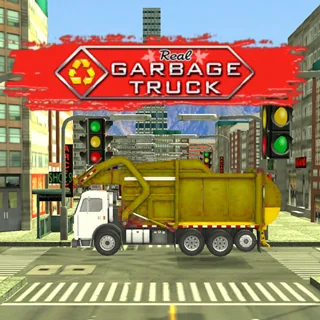
Real Garbage Truck

3D Car Simulator
Adventure Driver Unblocked
Bike Trials Winter 2

Blumgi Game Unblocked
Burrin Rubber 5 Xs Unblocked

Burrin Rubber Unblocked
Burnout Drift Hilltop
Bus Parking 3D Unblocked

Car Drift Racers 2
Car Rush Unblocked
Car Simulator Arena
Car Thief Unblocked

Cartoon Mini Racing
City Car Driving Stunt Master
City Rider Unblocked
Drift Boss Unblocked
Drift Hunters Unblocked
Drive Game Unblocked
E-Scooter Unblocked
Earn To Die

Endless Truck Unblocked
Extreme Car Parking
Fire Truck Rescue
Fire Truck

Flying Car Simulator

Fortride Open World
Go Kart Go! Ultra!

Highway Racer 3D

Highway Rider Extreme
Icycle
India Truck Simulator 3D
Jelly Truck Unblocked
Mad Truck Challenge Special

Madalin Stunt Cars 2
Madalin Stunt Cars 3

Merge Cyber Racers

Merge Round Racers
Monster Truck Destroyer
Monster Truck vs Zombie
Moto Road Rash 3D
Moto X3M 2 Unblocked
Moto X3M 3 Unblocked
Moto X3M Bike Race

Moto X3M Pool Party

Moto X3M Spooky Land
Moto X3M Winter

Neon Biker

Neon Racer
Parking Fury 2 Unblocked
Parking Fury 3 Unblocked
Parking Fury 3D Unblocked
Parking Fury Game Unblocked
Parking Fury Unblocked
Racing Monster Trucks
Real Flying Truck
Real Garbage Truck

Road Fury Unblocked

Rocket Soccer Derby Unblocked
Sliing Drift
Smash Karts Unblocked
Soccar Unblocked
Stunt Car Challenge 3

Super Bike The Champion

Top Speed 3D
Traffic Mania
Traffic Tom

Truck Trials
Wheelie Bike
Wheely 2
Wheely 3
Wheely 4
Wheely 5
Wheely 6
Wheely 7
Wheely 8

Ulimate Off Road
Impossible Monster Truck
Real Garbage Truck | Truck Games Unblocked
About Real Garbage Truck | Truck Games Unblocked
We are thrilled to present an in-depth exploration of the engaging and challenging world of Real Garbage Truck simulation games, a popular category within the broader realm of truck games unblocked. These titles offer a unique blend of strategic planning, precise driving mechanics, and a rewarding sense of accomplishment as players take on the crucial role of waste management professionals. We delve into the intricacies of operating these heavy-duty vehicles, the responsibilities involved, and the sheer enjoyment derived from mastering the art of urban sanitation.
At the core of the Real Garbage Truck experience is the simulation of operating a genuine garbage truck. Unlike many arcade-style driving games, these simulations strive for a level of authenticity that appeals to players seeking a more grounded and immersive gameplay loop. Players are tasked with navigating complex urban environments, meticulously collecting waste and debris from the roadside. This isn't merely about driving from point A to point B; it requires careful maneuvering, spatial awareness, and an understanding of the truck's operational capabilities.
The primary objective in these games is clear: to **clean up the streets and highways** by efficiently collecting all discarded materials. This involves identifying waste locations, approaching them with precision, and employing the truck's specialized equipment to load the refuse. The satisfaction comes from seeing the virtual city transform from cluttered and unkempt to clean and orderly, a direct result of the player's efforts. We understand the appeal of contributing to a virtual environment in such a tangible way.
A significant aspect of the Real Garbage Truck simulation is the management of multiple dump trucks. Often, players will have access to a fleet of these vehicles, each potentially with different capacities, maneuverability characteristics, or specialized functions. This adds a strategic layer, as players must decide which truck is best suited for a particular task or route, and how to efficiently manage their entire fleet to maximize productivity and minimize downtime. This complexity elevates the gameplay beyond simple driving.
Choosing your **preferred trash truck** is another engaging element. Developers often provide a variety of models, allowing players to select a vehicle that best matches their driving style or the specific challenges of a given mission. Whether it's a nimble, smaller truck for navigating tight residential streets or a powerful, large-capacity vehicle for clearing major thoroughfares, the selection process adds a personalized touch to the simulation.
Navigating the **city streets** in a Real Garbage Truck presents a unique set of challenges. Players must contend with traffic, pedestrian AI, intricate road networks, and sometimes even dynamic environmental factors. The sheer size and weight of a garbage truck demand a different approach to driving compared to a passenger car. Braking distances, turning radii, and blind spots become critical considerations. Mastering these aspects transforms the player into a true **master who drives a garbage truck**.
The detailed simulation often extends to the operation of the garbage truck's loading mechanism. Players might need to control hydraulic arms, compactors, and tipping mechanisms, adding another layer of interactive complexity. The act of precisely aligning the truck to pick up bins or dump loads accurately requires focus and skill, contributing to the overall immersive experience.
The Thrill of Operating Heavy-Duty Vehicles
There's an undeniable fascination with operating large, powerful machinery. Real Garbage Truck games tap into this by allowing players to control vehicles that are rarely accessible in real life. The sheer scale of these trucks, the intricate controls, and the significant impact they have on the virtual environment provide a unique sense of power and responsibility. We recognize that the tactile experience of maneuvering such a substantial vehicle, even virtually, is a major draw for many players.
The visual and auditory elements in these games also play a crucial role in enhancing the simulation. Realistic truck models, detailed city environments, and authentic sound effects—from the rumble of the engine to the crunch of compacted waste—all contribute to a believable and engaging experience. These details immerse players deeper into the role of a sanitation worker, making the gameplay more compelling.
Challenges and Rewards in Urban Sanitation Simulation
Playing Real Garbage Truck games isn't without its challenges. Players must often adhere to strict time limits, manage fuel consumption, and deal with unexpected obstacles like broken-down vehicles or blocked routes. Successfully overcoming these hurdles and completing missions efficiently provides a significant sense of achievement. The feeling of having effectively cleaned a sector of the city, knowing that you've managed your resources and skills effectively, is a powerful motivator.
Furthermore, many of these games incorporate progression systems. As players successfully complete tasks, they can earn in-game currency, unlock new trucks, upgrade existing ones, or gain access to more demanding areas of the city. This element of growth and development keeps players engaged and provides clear goals to strive for, extending the longevity and replayability of the game.
Exploring Different Gameplay Mechanics
Within the Real Garbage Truck genre, we often see a variety of gameplay mechanics designed to keep the experience fresh and exciting. Some games might focus heavily on precise parking and maneuvering, requiring players to expertly position their truck in tight spots to collect bins. Others might emphasize route optimization and efficiency, challenging players to devise the most logical and time-saving paths through the city.
Some simulations also introduce elements of resource management. Players might need to manage the truck's waste capacity, ensuring they head to the disposal site at the right times to avoid overflowing. This adds a strategic layer, forcing players to think ahead and plan their collections effectively. The interplay of driving skill, strategic planning, and efficient execution is what makes these games so compelling.
The Appeal of Unblocked Truck Games
The "unblocked" aspect of these truck games is particularly significant for players in environments where access to certain online content might be restricted. These games offer a readily accessible and enjoyable diversion, allowing individuals to engage with stimulating simulations during breaks or downtime. We understand that the ability to play these games without requiring complex installations or circumventing network restrictions is a key factor in their popularity.
Truck games unblocked, in general, provide a gateway to a variety of driving experiences, from construction vehicles to long-haulers. The Real Garbage Truck subgenre stands out by offering a unique, relatable, and often overlooked profession, presented in an interactive and entertaining format. It allows players to experience the challenges and rewards of a job that is essential to the functioning of any community.
Detailed Simulation of Waste Collection
The realism in Real Garbage Truck simulations is often remarkable. We can observe developers putting significant effort into replicating the operational aspects of actual garbage trucks. This includes the mechanics of the lifting arms that grapple and empty bins, the powerful compaction systems that reduce the volume of collected waste, and the rear-loading mechanisms used in many refuse collection vehicles. Players often have direct control over these features, adding a tangible interaction that enhances the feeling of operating the vehicle.
The types of waste encountered can also add variety. From household garbage and recyclables to larger debris and construction waste, the simulation might present different challenges requiring specific approaches or truck types. This attention to detail in the waste collection process makes the simulation feel more authentic and provides a deeper understanding of the complexities involved in municipal sanitation.
Navigating Realistic Urban Landscapes
The environments within Real Garbage Truck games are typically designed to mimic real-world cities. Players will find themselves driving through bustling downtown areas with high-rise buildings, navigating residential neighborhoods with narrow streets and parked cars, and traversing industrial zones or highway stretches. The AI for other vehicles and pedestrians adds to the realism, creating a dynamic world that players must navigate safely and efficiently.
Obstacles such as traffic jams, road construction, and even adverse weather conditions can be incorporated into the gameplay, further testing the player's driving skills and adaptability. Successfully completing a collection route under such challenging circumstances provides a profound sense of accomplishment. We appreciate the effort developers put into creating these detailed and interactive urban landscapes, which are crucial for an immersive simulation.
The Role of Parking and Maneuvering Skills
Parking and precise maneuvering are critical components of the Real Garbage Truck experience. Unlike simply driving on open roads, garbage truck operators must often position their massive vehicles with extreme accuracy to collect bins from curbsides, navigate tight alleyways, or park at disposal sites. This aspect of the gameplay requires a keen understanding of the truck's dimensions, turning radius, and the environment around it.
Players will find themselves making intricate adjustments, using mirrors and reversing cameras (if simulated), and employing careful throttle and braking control to avoid collisions with buildings, other vehicles, or obstacles. Mastering these parking challenges is a significant part of becoming a proficient driver in these games, and we recognize the skill and patience it demands from players.
Strategic Fleet Management and Upgrades
For games that feature a fleet management aspect, players are often tasked with more than just driving individual trucks. They might need to allocate resources, manage maintenance schedules, and decide when to invest in new vehicles or upgrades. Choosing the right truck for a specific job, considering its capacity, speed, and maneuverability, becomes a strategic decision that can impact overall efficiency and earnings.
Upgrading trucks can provide performance enhancements, such as increased speed, better fuel efficiency, or improved lifting capacity. These upgrades not only make the gameplay easier but also allow players to tackle more demanding routes and larger volumes of waste. This strategic depth adds a layer of long-term engagement, as players work towards building a top-tier waste management operation.
The Satisfying Impact of a Clean City
One of the most inherently rewarding aspects of playing Real Garbage Truck games is the visual transformation of the environment. As players diligently collect waste, the virtual city visibly becomes cleaner and more organized. This tangible impact of the player's actions provides a strong sense of purpose and contribution. Seeing the streets free of debris, the parks tidier, and the overall urban landscape improved is a powerful motivator and a core part of the game's appeal.
This visual feedback loop is crucial for player satisfaction. It directly links the effort and skill invested by the player to a positive and noticeable outcome within the game world. We believe this element is key to the enduring popularity of simulation games that involve tasks with clear, visible results.
Understanding the Mechanics of Different Truck Types
The variety of garbage trucks simulated in these games is often impressive, and each type comes with its own unique set of operational mechanics. For instance, front-loading garbage trucks, often used in commercial settings, require precise positioning to engage with large dumpsters. Rear-loading trucks, common in residential collection, involve maneuvering to pick up individual bins and may feature hydraulic lifts and compactors.
Side-loading trucks, operated by a single driver using an automated arm, also present distinct challenges and require different driving and positioning techniques. Understanding and mastering the specific controls and operational nuances of each truck type adds significant depth and replayability to the Real Garbage Truck experience. This variety ensures that players are constantly learning and adapting their strategies.
Real Garbage Truck: A Focus on Professionalism and Responsibility
The simulation extends beyond mere driving to encompass the professional aspects of waste management. Players often need to manage their time effectively, ensuring that collections are completed within designated schedules. This involves planning efficient routes, accounting for traffic, and making timely trips to disposal or recycling facilities. Such responsibilities mirror those faced by real-world sanitation workers, providing a glimpse into the dedication and organization required for this vital service.
The games often emphasize the importance of safe operation. Players must be mindful of pedestrians, other vehicles, and potential hazards on the road. Accidental damage or collisions can lead to penalties, reinforcing the need for careful and responsible driving. This focus on professionalism elevates the gameplay from a simple driving challenge to a more comprehensive simulation of an essential public service.
Engaging with Community and Environmental Themes
Real Garbage Truck games subtly engage players with themes of community well-being and environmental responsibility. By participating in the cleanup of virtual cities, players contribute to a healthier and more pleasant environment within the game. This can foster an appreciation for the role of waste management in maintaining urban hygiene and sustainability. The act of collecting recyclables, if included, further reinforces these environmental messages.
The satisfaction derived from creating a cleaner city is not just about aesthetics; it's about contributing to a more functional and livable virtual community. This sense of purpose is a powerful driver for engagement, making the gameplay more meaningful than simply operating a vehicle.
The Evolution of Truck Simulation Games
The truck games genre has evolved significantly over the years, with developers continuously pushing the boundaries of realism and gameplay complexity. Real Garbage Truck simulations are a testament to this evolution, offering detailed physics, intricate vehicle models, and sophisticated AI that create incredibly immersive experiences. These advancements ensure that players can enjoy a highly authentic representation of operating these specialized vehicles.
As technology progresses, we anticipate even more realistic graphics, more complex environmental interactions, and potentially even more nuanced operational mechanics in future iterations of these games. The ongoing innovation in the genre promises to keep players engaged with fresh challenges and ever-increasing levels of immersion. The attention to detail in modern simulations is truly remarkable, capturing the essence of operating these complex machines.
Mastering the Controls: A Skill to Acquire
Acquiring proficiency in Real Garbage Truck games requires players to master a range of controls. Beyond the basic acceleration, braking, and steering, players often need to manage functions like activating the lifting mechanism, controlling the compactor, operating headlights, and signaling turns. The complexity of these controls can vary, but in most detailed simulations, players will need to learn the specific button assignments or on-screen interfaces for each function.
The process of learning these controls and coordinating them effectively to perform tasks like bin collection and dumping is a key part of the learning curve. Many games offer tutorials or allow players to practice in controlled environments, helping them develop the muscle memory and strategic thinking needed to excel. We find that the combination of intuitive design and challenging mechanics strikes a perfect balance for engaging gameplay.
Conclusion: The Enduring Appeal of the Real Garbage Truck Experience
In summary, the Real Garbage Truck simulation offers a unique and deeply satisfying gaming experience. By allowing players to step into the role of essential urban service providers, these games blend challenging driving mechanics with strategic planning and a rewarding sense of accomplishment. The detailed simulations, realistic environments, and the satisfaction of creating a cleaner city all contribute to their enduring popularity within the broader landscape of truck games unblocked. We are confident that the immersive nature and engaging gameplay of these simulations will continue to attract players seeking a realistic and meaningful virtual challenge.
 Privacy
Policy
Privacy
Policy
 Contact
Me
Contact
Me


